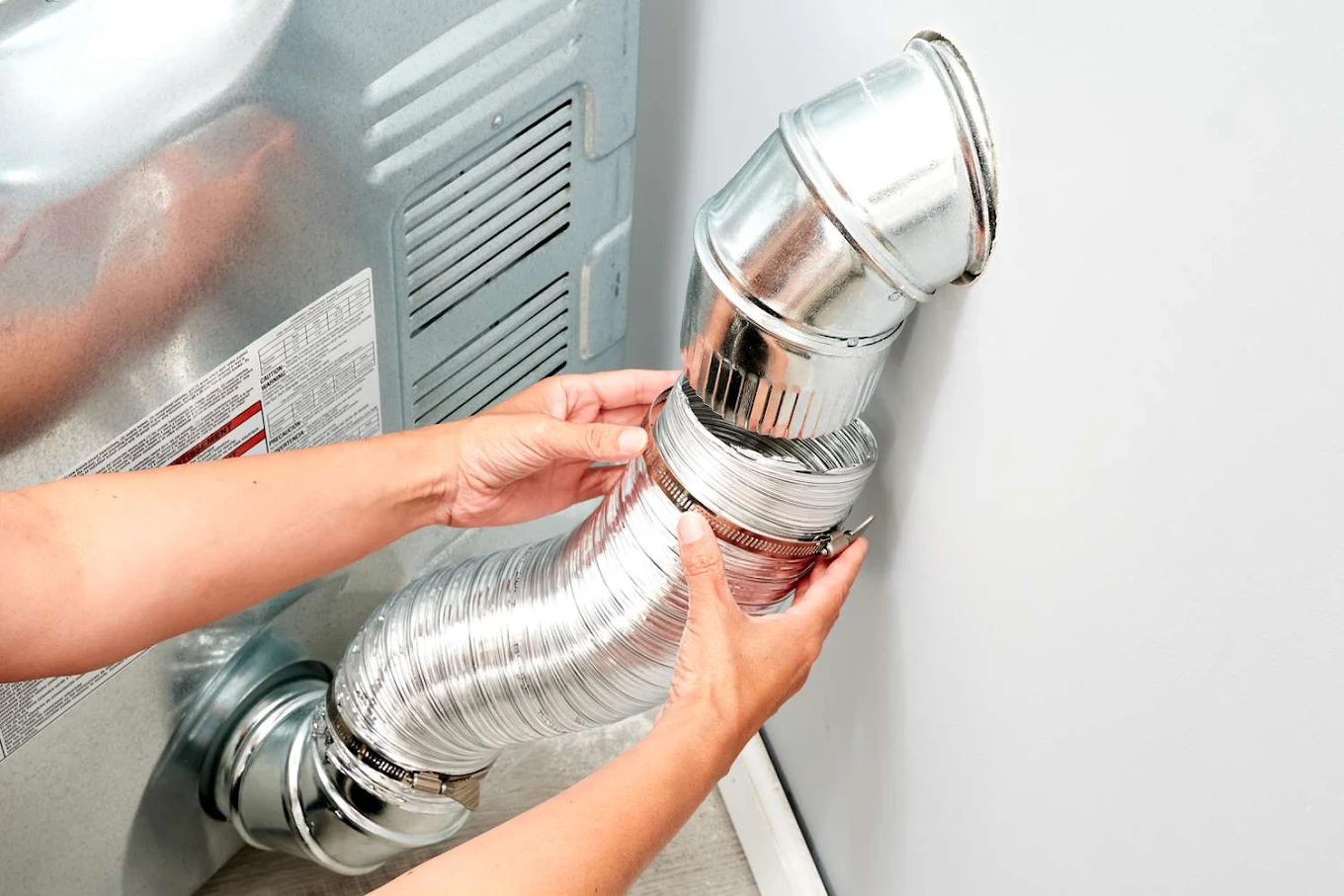
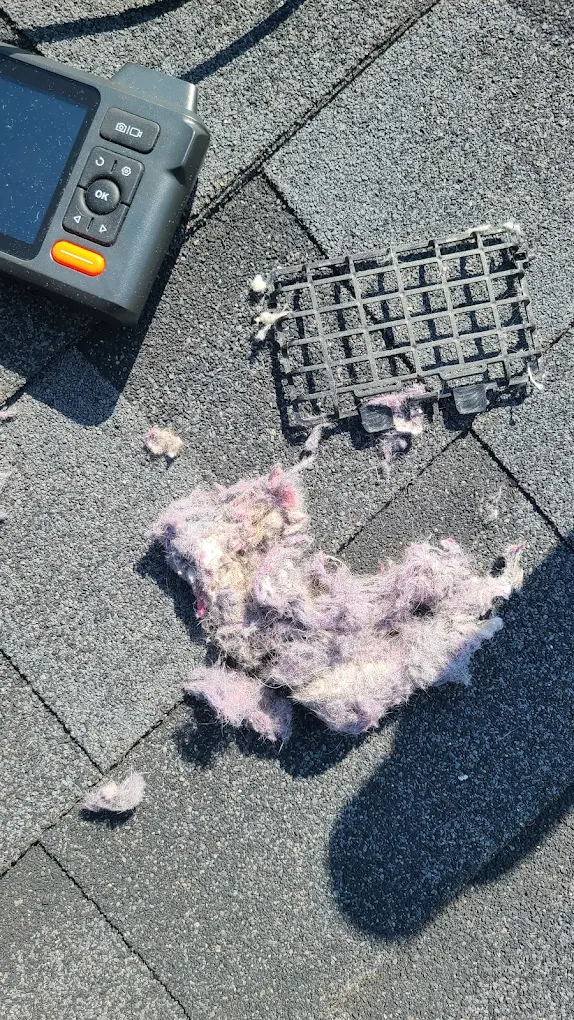
New construction, renovations, or system relocations require proper dryer vent installation from the start. We route lines efficiently, avoid unnecessary bends, and use rigid metal ducting where code requires it.
For Fenton properties, we account for construction type, dryer location and exterior wall placement to maximize airflow and minimize lint accumulation. Correct installation prevents the problems that lead to costly repairs down the road.
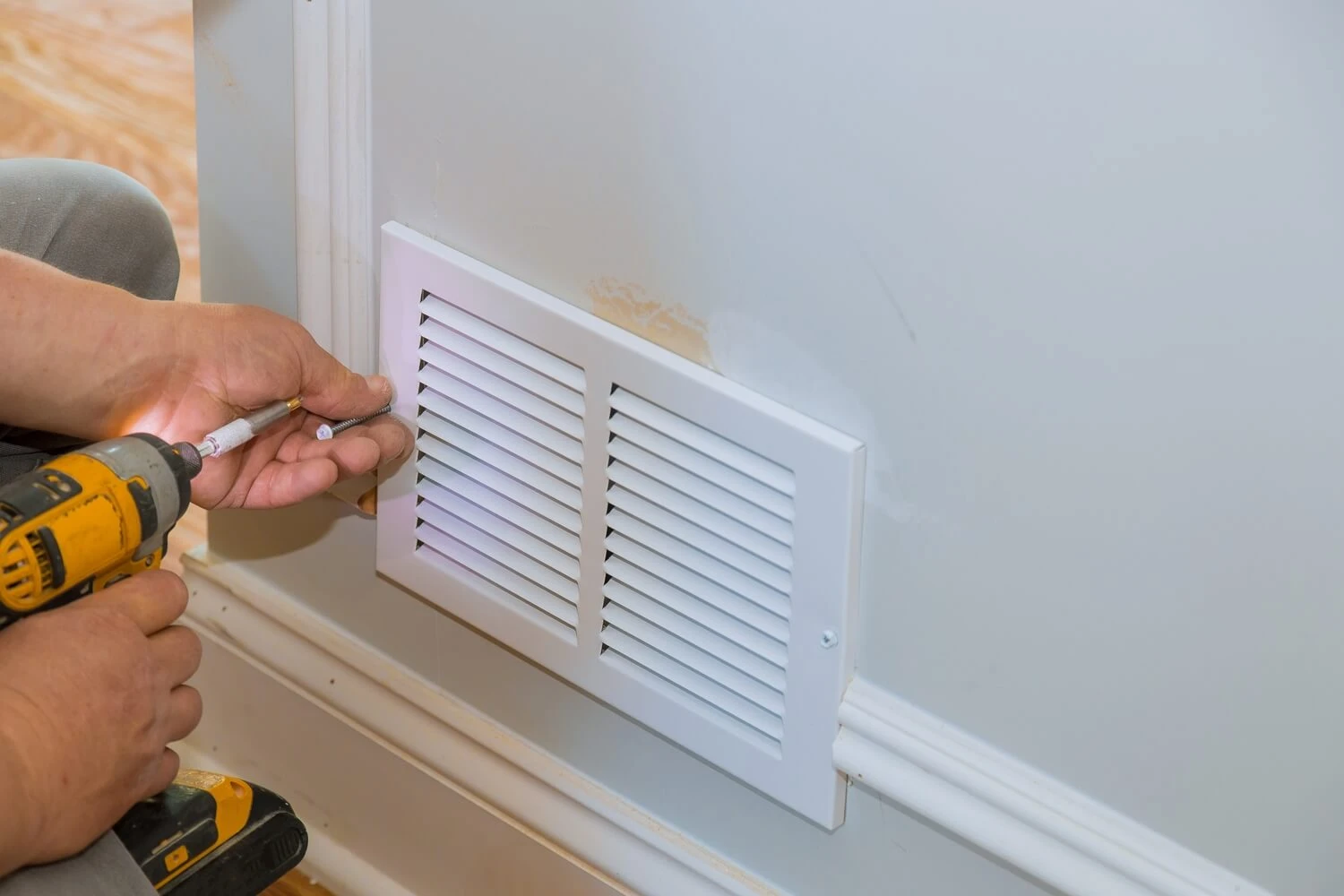
A: Centralized laundry rooms require longer vent runs through attics, crawlspaces, or interior wall cavities, increasing material requirements and potential failure points. We evaluate whether relocation, booster fan integration, or alternative termination strategies improve feasibility. Our dryer vent installation planning prioritizes performance durability over initial convenience.
A: Professional dryer vent installation involves proper duct sizing calculations, secure joint sealing with foil tape or mechanical fasteners, support spacing that prevents sagging, fire-rated penetrations through rated assemblies, and functional termination selection. Improper DIY execution frequently creates concealed hazards that manifest as performance problems or safety failures months later.
A: Yes. Gas dryers require additional considerations including combustion air supply, proper vent material ratings for elevated temperatures, and separation from ignition sources. Our technicians understand these distinct requirements and specify dryer vent installation configurations appropriate to the appliance type, fuel source, and local code jurisdiction.